
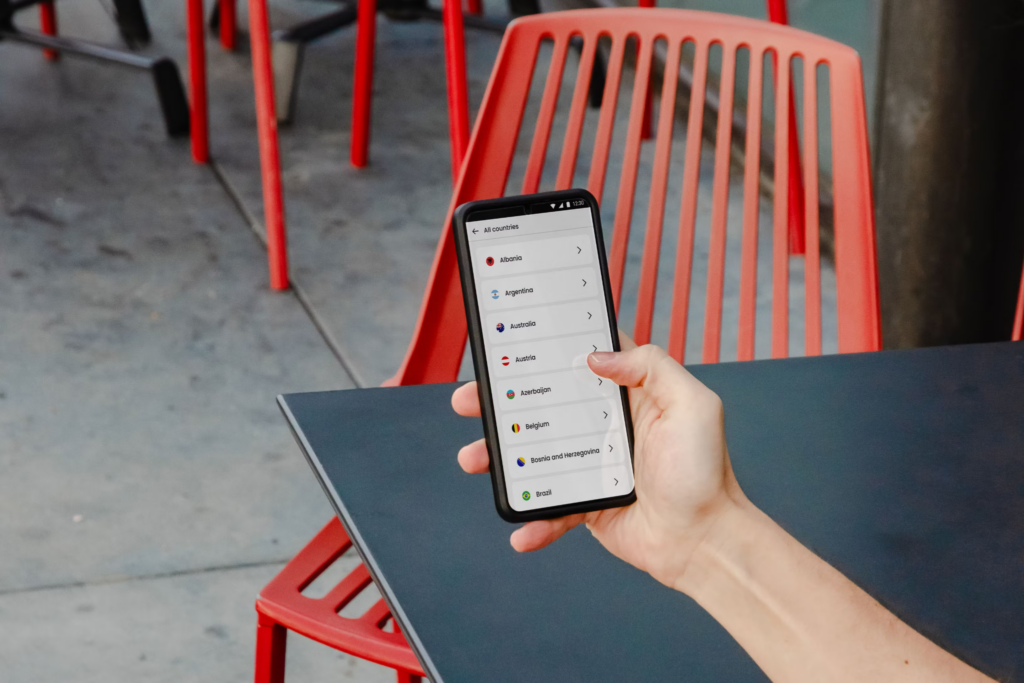
Mobile proxies run traffic through real smartphones on 4G/5G carrier networks — the IP addresses belong to actual mobile operators, not data centers. From a website’s perspective, that traffic is indistinguishable from a regular consumer browsing on their phone.
For teams running large-scale data collection across websites, apps, and ad platforms, this matters in concrete ways. Price discrimination systems, bot detection, and geo-locking logic all respond differently to carrier IPs than they do to commercial data center ranges.
Businesses using mobile proxies like https://dataimpulse.com/mobile-proxies/ for market research typically rotate through large IP pools tied to real mobile operators across multiple countries. The goal is straightforward — avoid session limits, avoid triggering detection systems, and pull data that reflects what actual consumers see, not a sanitized version. Below are five areas where this setup consistently outperforms alternatives.
1. Geo-Specific Price Intelligence
Price discrimination by location and device type is well-documented. Consumer goods and retail companies monitor competitor pricing across regional markets using mobile proxies to collect the prices real customers actually see — not the version that platforms serve when they detect non-consumer traffic.
Analysts running this type of program at scale typically segment IP pools by country and carrier. This helps them target the same connection profiles as the shoppers they’re benchmarking against.
2. SERP Data by Device and Region
Google’s mobile-first indexing means mobile and desktop search results often diverge. Rankings, featured snippets, and ad positions can differ significantly by device type. For SEO and digital marketing teams managing campaigns across multiple markets, this creates a measurement problem: rank-tracking queries run through desktop or data center IPs simply don’t reflect what mobile users see.
Mobile proxies let analysts pull search results as they appear to users on specific carrier networks in specific locations. Consider an international retail brand tracking “buy [product] online” queries — results returned to a mobile user in Frankfurt look different from what a server in Virginia pulls. The gaps can affect both organic positions and which paid placements appear above the fold.
Some variables this method captures that standard rank tracking misses:
3. Programmatic Ad Verification
The global digital advertising market was estimated at $650 billion in 2025 and is expected to continue growing due to steady demand for paid ads. For brands running geo-targeted campaigns on mobile channels, confirming that ads are served correctly — the right creative, in the right placement, to the intended audience segment — is a substantial operational concern, and one that’s difficult to address without carrier-level IP access.
Verification from data center IPs produces unreliable results. Ad platforms regularly serve different creatives or suppress ads entirely when requests originate from commercial address ranges.
Running verification through mobile carrier IPs returns the same experience a real user would see. This has become standard practice at media agencies with large mobile budgets, particularly for campaigns where placement in specific regions is contractually defined.

4. App Store Intelligence
App Store and Google Play pricing is set per regional storefront, and price tiers vary substantially. A subscription priced at $9.99 in the US might appear at ₹99 in India or €7.49 in Germany. Market researchers tracking competitor app strategies monitor these regional differences alongside release notes, screenshots, user review scores, and store ranking positions.
Automating this at any meaningful scale requires mobile IPs registered to local carriers. Both Apple and Google filter requests from known commercial IP ranges when serving storefront data, so data center proxies tend to return incomplete or region-mismatched results.
5. Brand Protection and Compliance Checks
Regulatory requirements for advertising and product content vary significantly across markets, especially in finance, healthcare, and consumer electronics. Brand protection teams run continuous automated checks to confirm that:
These checks produce accurate results only when they originate from the same type of connection a local consumer would use. A verification run from a US data center IP often returns a different version of a page than what users in Seoul or Warsaw actually encounter.
For research operations tracking hundreds of SKUs or ad placements across dozens of markets, mobile proxies have become standard infrastructure rather than a workaround. Provider selection at this scale typically comes down to pool size, geographic coverage, and whether carrier-level targeting is granular enough to specify a particular network in a particular city.