

Introduction
In the rapidly evolving world of fintech, remote identity verification has become a foundation for secure and compliant operations. Yet as digital onboarding expands, so do the risks: fraudsters increasingly attempt presentation attacks — using fake or manipulated identity documents, such as forged passports or deepfake faces — to deceive verification systems. To counter this, Presentation Attack Detection (PAD) technologies have become essential. To train PAD and fraud detection models securely, companies now use synthetic passport data instead of real identity documents, as such datasets allow fintech teams to build privacy-safe, realistic training environments for presentation attack detection. A growing innovation in this field involves training these systems with synthetic passports for PAD. By generating realistic yet privacy-safe identity data, fintech companies can strengthen their fraud prevention models without relying on sensitive real-world documents.
This article explores how synthetic passport data can be effectively used to strengthen PAD systems in financial services, providing realistic and privacy-safe training examples for detecting fraudulent identity documents.
Understanding Presentation Attack Detection (PAD)
Presentation Attack Detection (PAD) refers to methods and technologies designed to detect and prevent attempts to deceive biometric or document verification systems. Such attacks can take many forms, including:
| Attack Type | Description |
| Spoofing | Presenting fake biometric samples, such as printed photos, videos, or 3D masks. |
| Replay Attacks | Using previously recorded biometric data to gain unauthorized access. |
| Morphing | Creating a synthetic image by combining features of multiple individuals. |
To counter these threats, PAD systems employ several techniques:
| PAD Technique | Function |
| Liveness Detection | Confirms that the biometric sample comes from a live person. |
| Texture Analysis | Identifies artificial surfaces or printed artifacts. |
| Motion Analysis | Observes natural movements to ensure authenticity. |
A presentation attack, sometimes referred to as a spoofing attack, occurs when someone attempts to deceive a verification system by presenting a fraudulent credential or biometric instead of a genuine one. In the context of document verification, this can involve a fake, altered, or synthetic passport designed to trick automated systems. In fintech applications— such as remote KYC, onboarding, or account recovery— users frequently upload images of passports or other identity documents. Fraudsters may use subtle alterations or sophisticated forgeries to bypass security checks. To counter these threats, robust PAD systems that are trained on diverse and representative datasets are essential for accurately identifying and preventing fraudulent attempts.
The Role of Synthetic Passports in PAD
Synthetic passports are highly valuable for PAD systems for several reasons:
- Diverse Training Data: They offer a wide range of samples with variations in design, lighting, and angles, which is essential for building robust and adaptable PAD models.
- Privacy Protection: Because no real personal information is used, synthetic data avoids privacy concerns and complies with data protection regulations.
- Cost Efficiency: Generating synthetic datasets is far more economical than collecting and manually annotating large volumes of real-world passports.
Accessing real passport and ID data is challenging due to its sensitive nature and strict data protection laws, making synthetic passports an effective alternative for training and testing PAD systems.
Real passport and ID data is sensitive, governed by privacy and data protection laws. It is difficult (or undesirable) to obtain large and varied collections of real passports (especially of fakes). That scarcity limits the training and testing of PAD systems.
Synthetic data is artificially generated data that mimics the statistical properties and variety of real-world data. Here, synthetic passports are passport images or structures generated (or manipulated) via algorithmic/generative means, often based on real templates, rules, and open data. Using such data, one can train models to detect presentation attacks without exposing real private identities.
Recent academic works also propose synthetic passport generation for PAD research. The idea: better generalizable defenses against unseen attacks.
Using Synthetic Passport Data in Fintech
In the fintech industry, where identity verification plays a central role in ensuring trust, security, and compliance, the use of synthetic passport data is becoming an increasingly valuable tool for innovation and fraud prevention. This technology allows organizations to simulate realistic yet entirely artificial user identities, enabling them to strengthen and evaluate their Presentation Attack Detection (PAD) systems without compromising sensitive personal information. Synthetic passport data can be applied in several key areas of development and testing:
1. Model Training:
Synthetic datasets provide a controlled and scalable environment for training supervised learning models. By generating diverse examples of both genuine and fraudulent passport images—including various lighting conditions, document wear, tampering patterns, and spoofing attempts—developers can expose PAD systems to a wide range of scenarios. This not only improves the model’s ability to distinguish between legitimate and fake documents but also helps it detect rare and emerging types of presentation attacks that might not be sufficiently represented in real-world data. As a result, the trained models become more resilient and better prepared for real operational challenges.
2. Algorithm Testing:
Before deployment, PAD algorithms must be rigorously tested across numerous attack scenarios to ensure their reliability and robustness. Synthetic passport data enables developers to simulate attacks such as high-quality photo reprints, 3D masks, screen displays, and digital manipulations. These synthetic test cases help identify weaknesses or biases in the algorithm’s detection capabilities and provide valuable feedback for improvement. This process ensures that the PAD systems perform consistently well across a broad spectrum of conditions and adversarial techniques, reducing the likelihood of false negatives or false positives in live environments.
3. System Benchmarking:
To objectively measure and compare the performance of different PAD solutions, fintech institutions can use standardized synthetic datasets as benchmarking tools. By evaluating systems under identical synthetic conditions, companies can accurately assess detection rates, processing times, and resistance to specific attack vectors. This enables data-driven decisions when selecting or refining PAD technologies and promotes industry-wide standards for performance evaluation. Benchmarking with synthetic data also fosters transparency and accountability in the development of biometric and identity verification technologies.
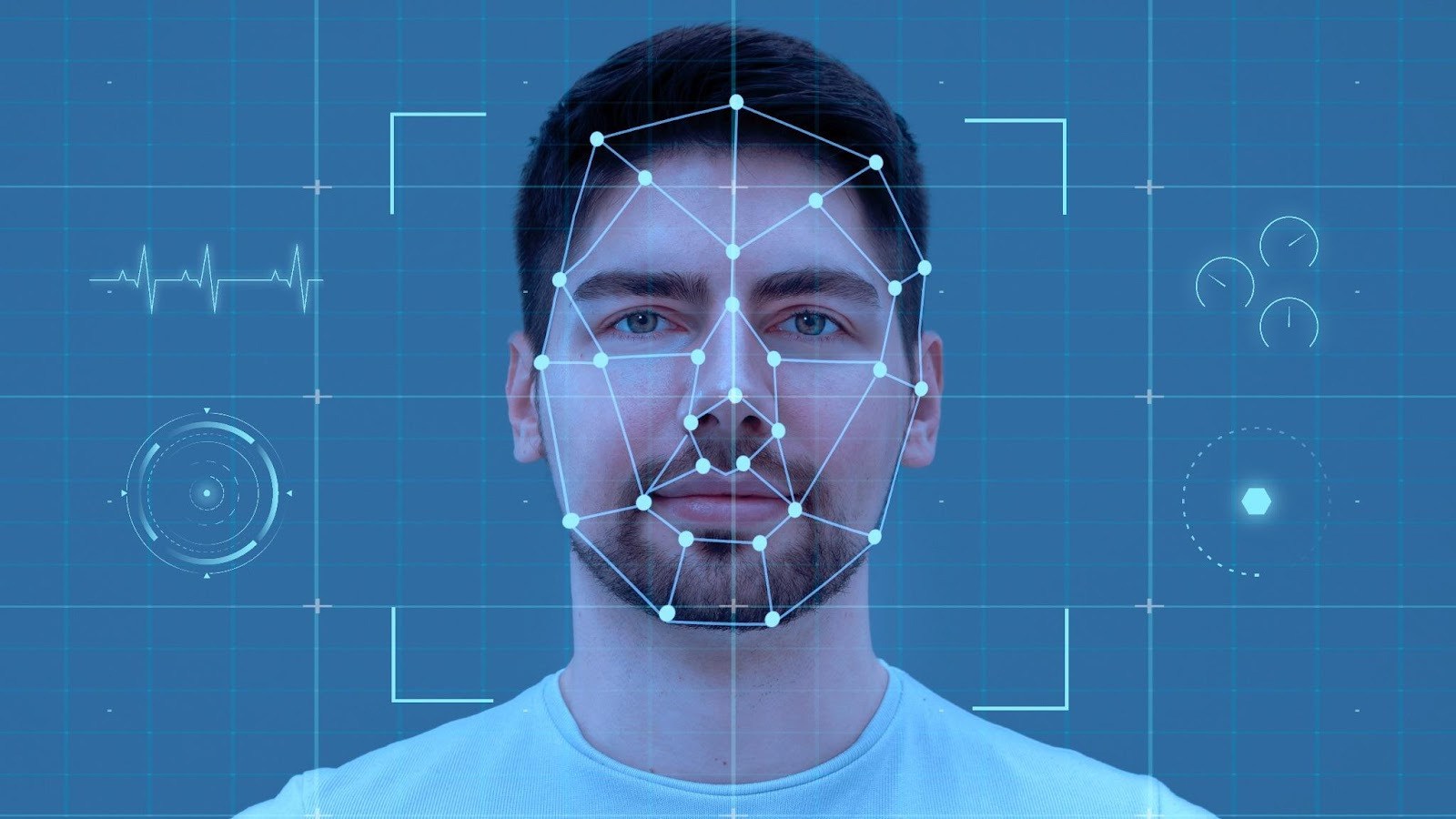
By leveraging synthetic passport data, fintech companies can build PAD systems that are more accurate, adaptive, and secure, significantly reducing the risk of identity fraud. Moreover, synthetic data usage addresses critical concerns around data privacy and regulatory compliance, as no real user information is exposed during development or testing. Institutions can experiment with a vast array of scenarios — including highly sophisticated or novel attack types — without compromising personal data protection. This balance between innovation, safety, and compliance positions synthetic data as a cornerstone for the next generation of identity verification in fintech.
Benefits of Synthetic Passport Data for PAD
Using synthetic passport data offers several key advantages for Presentation Attack Detection (PAD) systems:
- Enhanced Accuracy: Diverse datasets improve model training, helping PAD systems detect subtle or complex presentation attacks.
- Regulatory Compliance: Because no real personal information is used, synthetic data supports GDPR and other data protection regulations.
- Scalability: Large volumes of data can be generated easily, allowing PAD solutions to scale efficiently across fintech platforms.
Challenges and Considerations
While synthetic passport data is highly valuable, there are some important considerations:
- Realism: Synthetic data must closely mimic real-world scenarios to be effective for training.
- Generalization: Models trained solely on synthetic data should be tested against real-world samples to ensure reliable performance.
- Ethical Use: Care must be taken to avoid introducing biases or inaccuracies in the data.
Research from IBM indicates that models trained exclusively on synthetic data may face a realism gap, affecting performance in practical applications. Hybrid training strategies, combining synthetic and real data, often deliver the best results—balancing privacy, scalability, and real-world accuracy.
Future Directions
The future of PAD in fintech is moving toward smarter, faster, and more integrated systems. Key trends include:
- Multi-Modal Biometrics: Combining document verification with facial recognition, voice, and behavioral biometrics to make attacks harder to bypass, even with sophisticated forgeries or synthetic passports.
- Advanced AI Models: Deep learning models trained on synthetic passport data can detect subtle manipulations and emerging attack patterns, with hybrid datasets improving generalization.
- Industry Collaboration: Sharing synthetic datasets and PAD research across institutions supports standardized testing, faster innovation, and stronger fraud defenses.
- Automated Threat Detection: Real-time PAD integrated into onboarding and transaction workflows enables immediate detection of suspicious activity.
- Continuous Dataset Updates: Synthetic data can simulate new types of attacks, keeping models current without exposing sensitive personal information.
These trends demonstrate how fintech companies can strengthen identity verification, reduce fraud, and maintain customer trust while ensuring compliance with privacy regulations.
Conclusion
As fintech continues to embrace digital transformation, secure and reliable identity verification becomes increasingly critical. Synthetic passports for presentation attack detection play a pivotal role in developing robust PAD systems, enabling accurate model training and testing without compromising personal data. By leveraging synthetic passport data, fintech companies can stay ahead of fraudulent activities, safeguarding both their operations and their customers while meeting regulatory requirements.