

Late evening, shared apartment, multiple tabs open at once. A student finishes a transaction, clears history, switches to private mode, and reloads the same search through a different entry point. The shift happens almost automatically. Sensitive queries, location-based services, and anything tied to identity are rarely left in a standard session. A search that includes something like las vegas escort does not stay in the open browser with saved logins and synced accounts. It moves into a separate window, often behind a VPN, with no stored history and no cross-device tracking. The behavior is not occasional. It has become routine, shaped by awareness of how easily activity is recorded and reused.
Privacy as a reaction, not a preference
Users do not begin with privacy tools. They turn to them after encountering friction or exposure. Targeted ads that follow a search across platforms, location suggestions that appear too precise, or accounts that surface past activity create a clear signal. The system remembers everything.
This reaction produces measurable behavior:
- Over 70% of users under 30 report using private browsing modes at least once a week
- VPN usage among students in California increased by more than 40% over three years
- Repeat searches for the same query often occur in separate sessions
The pattern forms quickly. A standard session is used for low-risk activity. Anything personal shifts to a controlled environment.
How local platforms trigger caution
Local services rely on location data to function. That same data creates discomfort when combined with personal history. Booking, searching, and browsing within a defined area exposes patterns that users prefer to keep separate.
A ride request, a delivery order, and a local search can all link to the same identity. Over time, these connections build a detailed profile. Users recognize this and adjust behavior.
Key triggers that lead to private browsing:
- Requests tied to exact location rather than general area
- Searches that involve personal preferences or habits
- Platforms that require login before showing results
- Services that store history without clear deletion options
The more precise the service, the higher the likelihood of switching to a private session.
Tools that reshape access patterns
Privacy tools are no longer niche. They are integrated into everyday behavior. Incognito modes, VPNs, and encrypted browsers change how users interact with platforms.
Each tool serves a specific purpose:
- Incognito mode removes local history and cookies
- VPNs mask IP addresses and alter visible location
- Privacy-focused browsers block trackers by default
These tools do not eliminate tracking entirely, but they disrupt continuity. Platforms lose the ability to connect actions across sessions, which reduces the accuracy of profiling.
Speed versus anonymity
Privacy introduces friction. Additional steps slow down access, and some services restrict functionality when location is masked. Users balance this trade-off depending on context.
Observed behavior shows a clear split:
- Fast access is preferred for routine actions
- Anonymous access is chosen for sensitive queries
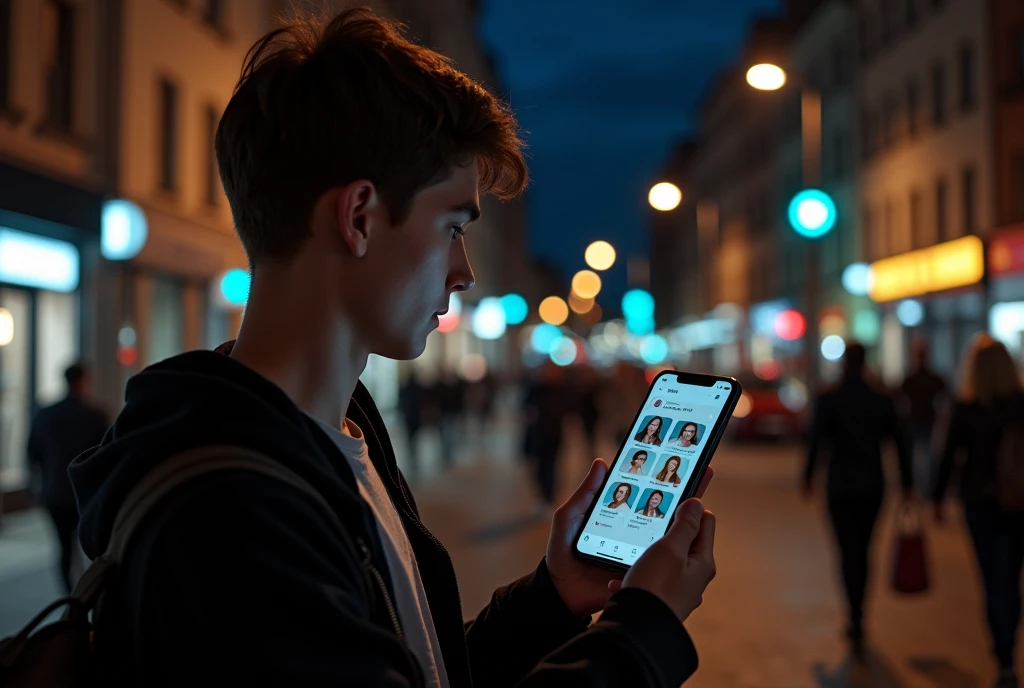
A user may order food through a saved account within seconds, then open a separate private session for a different type of search. The switch happens within the same minute, reflecting a clear boundary between convenience and control.
 Trust gaps in platform design
Many local platforms prioritize data collection over transparency. Users notice inconsistencies between what is shown and what is stored. Limited control over history and unclear data policies increase reliance on external tools.
Trust breaks at specific points:
- Persistent tracking after logout
- Lack of clear data deletion options
- Cross-platform synchronization without consent
- Recommendations based on private activity
Once trust is questioned, users do not wait for fixes. They move to tools that give immediate control.
Behavior shaped by repetition
Repeated use of privacy tools turns into habit. Opening a private window becomes part of the process, not a separate decision. The same applies to activating a VPN before accessing certain platforms.
This repetition changes expectations. Users assume that any action can be tracked unless they actively prevent it. The default state shifts from open to guarded.
The effect is visible in session structure:
- Multiple parallel sessions with different levels of visibility
- Shorter duration in standard browsing for sensitive actions
- Frequent clearing of data between sessions
The system adapts, but so do users.
Where this leads
Anonymous browsing is not a temporary trend. It reflects a structural change in how users approach digital environments. Access remains fast, but control becomes selective.
Three directions define the next phase:
- Built-in privacy features within mainstream platforms
- Reduced reliance on external tools as systems adapt
- Clearer separation between identity-based and anonymous access
Users will continue to move between modes depending on context. The balance between speed and privacy will define how local platforms evolve.