
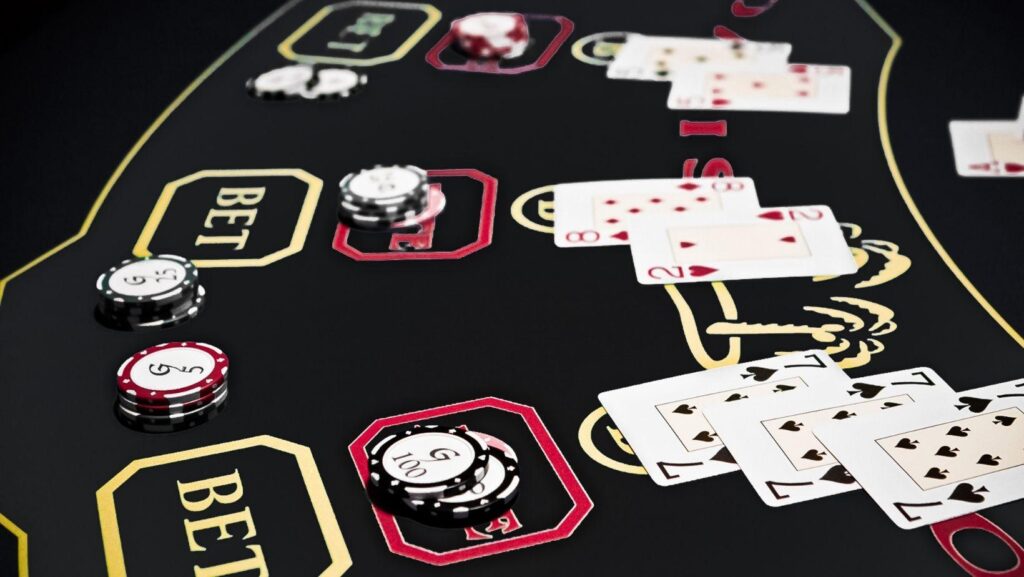
The face of global gaming has changed more in the last twelve months than in the previous decade. As we move through 2026, the image of a gambler as a “high roller” in a tuxedo is quickly fading away. Recent market analytics show that the global gambling sector is projected to reach over $655 billion by the end of this year, but the driving force is not big spenders. Instead, it is the “casual” player—someone who places small bets while watching a game or during a lunch break. Statistics indicate that online gambling now accounts for nearly 20% of total industry revenue, with mobile app usage growing at a rate of over 28% annually in key regions like the United States. This surge is fueled by a perfect storm of better mobile tech, the “gamification” of betting apps, and a societal shift that treats a small wager as a form of social entertainment.
Mobile Technology Simplifies Access for Everyone
The primary reason for this growth is the smartphone. In 2026, betting is no longer a destination; it is a feature on a screen you already carry. High-speed networks and “one-tap” payment systems like digital wallets and cryptocurrency have removed the friction that used to keep casual players away.
Furthermore, the industry has embraced “Micro-betting.” This allows Unibet players to wager small amounts, often as low as $1, on tiny events within a game, such as the next point in a tennis match or the next ball in cricket. Because the risk is low, it feels less like a financial gamble and more like a way to stay engaged with the broadcast.
Social Integration Turns Betting Into a Team Sport
Casual gambling is no longer a solitary act. In 2026, social features are the most requested tools in gaming apps. Players can now join “betting circles” with friends, share their slips on social media, or even follow “betting influencers” in real-time. This sense of community has made gambling a social lubricant, much like fantasy sports was in the past.
The Impact of Streamers and Live Content
We are seeing a massive rise in “Bet with Me” features. Platforms now embed live streams directly into casino and sportsbook lobbies. Viewers can place the same bets as their favorite streamer and chat with thousands of other fans during the play. This turns the act of wagering into a shared media experience.
Comparison of Casual and Professional Market Trends
The following table highlights how the market has shifted to accommodate the casual audience compared to traditional high-stakes gaming.
|
Feature Category |
Traditional Gaming (Pre-2024) |
Casual Gaming (2026) |
Primary Demographic |
|
Average Bet Size |
High ($50+) |
Micro ($1 – $5) |
Gen Z & Millennials |
|
Platform Choice |
Desktop / Physical |
Mobile-First App |
All Ages (18-45) |
|
Play Duration |
Long Sessions (Hours) |
Snacking (5-10 Mins) |
Commuters & Students |
|
Main Motivation |
Profit / Strategy |
Fun / Socializing |
Sports Fans |
Legal Expansion Creates a Safer Environment
As more regions legalize online gambling in 2026, the “stigma” of betting has dropped. When a government regulates a market, it brings a sense of safety. Casual players are more likely to join a site if they know their money is protected and the games are fair.
Regulatory clarity has also led to better “responsible gambling” tech. Most apps now include AI-driven tools that track player behavior. These tools can flag if a casual player is starting to spend too much time or money, offering a “safety net” that builds long-term trust with the user base.
Gamification Blurs the Lines Between Play and Bet
Casinos are taking a page from the video game industry. In 2026, many casual gambling apps look like puzzle games or RPGs. They feature:
- Experience Points (XP): Levelling up your account to unlock new themes.
- Daily Challenges: Getting a reward for logging in or playing three different games.
- Leaderboards: Competing with friends to see who has the best “win streak” of the week.
- Badges: Collecting digital trophies for specific achievements, like hitting a certain multiplier.
These features make the “loss” of a few dollars feel less painful because the player still “won” XP or a new badge. It keeps the energy high and the stress low, which is exactly what a casual audience wants.
Diversification of Gaming Categories
It is not just sports and slots anymore. Casual players are flocking to new niches that did not exist a few years ago.
The Rise of Prediction Markets
Prediction markets have exploded in popularity in 2026. These platforms allow people to bet on non-sports events, such as the outcome of an award show, the price of a stock, or even the weather. Because many people feel like “experts” in these areas, they feel more comfortable placing a small wager.
Esports and Virtual Simulations
As traditional sports fans age, younger casual players are turning to esports. Betting on games like League of Legends or virtual football is now a multi-billion dollar segment. These games move fast, are easy to watch on a phone, and fit perfectly into the “casual” lifestyle.